


A new US$4300 car is "hard to find": Under the dual-track price of Iranian cars, what are the opportunities for used cars in China?
Category: Export Policy
Time: 2026-09-28
Summary: A new US$4300 car is "hard to find": Under the dual-track price of Iranian cars, what are the opportunities for used cars in China?
The Iranian auto market is showing a very special price structure: on the one hand, there is a new domestically produced economy car worth about US$4300 under the government pricing system, but ordinary consumers need to "draw lots" to have the opportunity to buy; on the other hand, the imported Toyota Land Cruiser VXR sells for nearly US$290,000, which is more than three times the market price in neighboring United Arab Emirates...
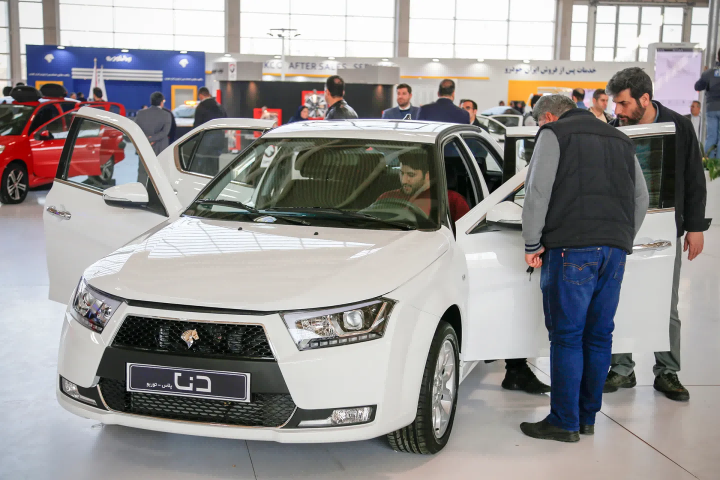
The Iranian automobile market is showing a very special price structure: on the one hand, there is a new domestically produced economy car worth approximately US$4300 under the government pricing system, but ordinary consumers need to "draw lots" to have the opportunity to buy; on the other hand, the imported Toyota Land Cruiser VXR sells for nearly US$290,000, which is more than three times the market price in neighboring United Arab Emirates.
According to U.S. auto media The Drive quoted Al Jazeera and others as reporting, under the influence of multiple factors such as high inflation, currency devaluation, import restrictions and recent conflicts, Iranian cars are increasingly having asset attributes similar to gold and foreign exchange. This special market environment also makes it impossible to simply compare the purchase price of China and the retail price of Iran to judge Iran's import demand for used cars.
Have a complete automobile industry, but it is still "difficult to buy a car"
Iran actually has a large automobile industry in the Middle East. Major companies include Iran Khodro (IKCO), Saipa, Pars Khodro, Modiran Vehicle Manufacturing, Bahman Motor and Kerman Motor.
Saipa's Zamyad is still producing pickup trucks derived from the Nissan Junior technology system of the last century; companies such as Farda Motors have introduced a large number of China models and technologies for local production.
According to estimates by research firm Mordor Intelligence, the size of Iran's automobile industry will be approximately US$45.38 billion in 2026 and may exceed US$70 billion by 2031.
In addition to domestic cars, there are also imported models such as Toyota and China brand products such as Chery in the Iranian market. At the same time, a large number of old models from some international brands such as Peugeot are still active on the streets of Iran, and some models continue to be produced locally.
So Iran's problem is not that there is "no car industry", but that there is a serious mismatch between car supply and consumer purchasing power.
You can buy a new car for $4300, but first you have to "draw"
The most typical case is Saipa Quick S.
This is an economical car developed based on the old Kia Pride technology platform, with a maximum engine power of approximately 87 horsepower. Based on the reported prices, if consumers can qualify for car purchases under the government system, the price is only about $4300.
It may seem cheap, but the problem is precisely that ordinary consumers cannot pick up their cars at the dealer at any time at this price.
There has long been a price system similar to a "dual-track system" in the Iranian automobile market, namely "factory price" and "free market price".
Factory guidance prices are regulated by the government and are usually significantly lower than real market prices. With prices depressed and demand for car purchases much higher than supply, Iran has established car purchase allocation mechanisms such as car lottery.
Consumers need to register online and in some cases need to freeze or pay funds in advance, and then wait to be eligible to purchase. Only consumers who have won the lottery will have the opportunity to buy cars at lower official prices.
But once a vehicle enters the free market, the price can be completely different.
This has also created a very special scene in the Iranian car market: the official selling price seems to be "rarely cheap in the world", but the price at which consumers can truly buy freely is much higher.
A white-collar worker in Tehran needs to pay 20 months 'salary to change to an automatic transmission 207
Al Jazeera previously interviewed an ordinary office worker in Tehran, whose case can intuitively reflect the local purchasing power.
The consumer is currently driving an old Peugeot 206 manual transmission, with a second-hand value of approximately 10 billion rials, equivalent to US$4350.
If you switch to the automatic transmission Peugeot 207, the price will reach approximately 28 billion rials, equivalent to US$12,170.
Even if the original 206 is sold, the remaining price difference is still equivalent to its entire salary for more than 20 months, and this still excludes housing, food and daily living expenses at all.
Other domestically produced cars are also not cheap. Reports show that the price of Iran's domestically produced Shahin sedan exceeds 31 billion rials, or about 13,480 US dollars; the Reera crossover exceeds 43 billion rials, or about 18,700 US dollars.
This reveals a problem in the Iranian automobile market that is easily ignored by the outside world: low dollar prices do not mean that local consumers feel cheap.
The US$86,000 Land Cruiser sold for US$287,000 in Iran
Imported cars are in a completely different price world.
According to reports, the current selling price of a 2026 Toyota Land Cruiser VXR in Iran is approximately 660 billion rials, equivalent to 287,000 US dollars.
In neighboring United Arab Emirates, the same car only costs US$86,000.
In other words, the Iranian market price is more than three times that of the United Arab Emirates.
One of the important reasons for the huge price difference is that import channels are strictly restricted. At present, only a small number of enterprises and middlemen with government background can import vehicles. Coupled with tariffs, value-added taxes and various costs, the terminal price of imported vehicles may experience a very high premium.
However, this price difference cannot be simply understood as "arbitrage space". From the source price of China vehicles to the free market price of Iran, there are also import qualifications, model access, taxes, foreign exchange, international settlement, logistics, insurance and channel fees. The more outrageous the local retail price, the more it sometimes indicates that market access and circulation costs are high.
Why do cars start to look like "gold" in Iran?
The Iranian auto market also has another feature that is very different from the China market: cars are not always regarded by consumers as durable goods that continue to depreciate in value.
In an environment of high inflation and continued pressure on the local currency, some Iranian consumers will use cars as a hedging tool. The logic is similar to buying gold or holding foreign exchange.
This further amplifies the demand for cars.
When factory prices are significantly lower than free-market prices, car purchase qualifications themselves generate value. People who qualify for low-cost car purchases may resell their cars to the free market and earn a price difference.
This forms a cycle: the government hopes to increase the "affordability" of cars through low prices, but low prices bring a large amount of demand; supply is limited and lots are needed; vehicles are re-priced according to real supply and demand after entering the free market, and finally the official price is further disconnected from market prices.
For ordinary families who really need a car, whether they can get a low-priced car depends largely on the qualification to purchase a car.
Conflict further pushes up car prices, with domestic cars generally rising by 40%-80%
The external environment further amplifies this problem.
According to previous reports by Al Jazeera, since the recent conflict, the prices of Iranian domestic cars have generally increased by 40%-80%, and the prices of some models have increased by more than 130% compared with September 2025.
Parts and components are also rising in prices significantly. The rising prices of commonly used automotive products such as tires, oil, brake pads, and clutches have caused consumers who already own vehicles to bear higher and higher costs.
For the used car market, this may have two effects. On the one hand, new cars are becoming more and more expensive, which will force some consumers to continue to own old cars or switch to lower-priced second-hand cars; on the other hand, if parts, repair and maintenance costs rise simultaneously, consumers will pay more attention to whether they can be repaired in the future.
This means that low car prices alone may not be enough for China used cars to enter Iran. There are already models with a certain amount of ownership, easy to obtain parts, and relatively mature mechanical structures in the local area, making it easier to form real demand for second-hand circulation.
For China used car exporters, there are four prices that really depend on
The most likely place for misjudgment in the Iranian market is "price".
If exporting companies only see US$4300 in new domestically produced cars, they may think that China's used cars are not price competitive; if they only see US$287,000 Land Cruiser, they may easily think that there are huge profits in the market.
In fact, both judgments may deviate from the real market.
Before entering Iran, it is worth calculating four prices at the same time:
Official/factory price of Iranian domestic cars;
The actual free market price of the same car;
The landing cost of imported vehicles after duty-paying;
The true transaction price for the final consumer.
In particular, the exchange rate cannot be ignored. The price of Iran's local currency fluctuates significantly, and the price calculated using the US dollar exchange rate of the day may lose its reference value in a few weeks. For used car transactions that require procurement, customs clearance, transportation, customs clearance and distribution cycles, such exchange rate risks can directly devour profits.
In addition, Iran is in a complex international sanctions environment. When conducting vehicle trade, China companies also need to verify transaction entities, financial institutions, shipping and insurance arrangements, and ensure that the business complies with China laws and applicable export control and sanctions compliance requirements.
In short, Iran does have the market characteristics of "lack of cars" and "expensive cars", and the rising prices of new cars may also strengthen demand for used cars. But it is not a market where you can gain high profits just by shipping cheap China cars there.
What is really scarce may not be cars, but the ability to stably obtain import qualifications, resolve foreign exchange payments, complete compliance logistics, and provide complete channels for parts and after-sales at the same time.
Source: Guangdong Good Car
[Disclaimer] The content of this website (including pictures and texts) originates from the Internet, and the copyright belongs to the original author. Respect the rights and interests of originality, and select content is only used for information sharing. If copyright disputes are involved, please contact us to handle them promptly
Keywords: A new US$4300 car is "hard to find": Under the dual-track price of Iranian cars, what are the opportunities for used cars in China?
Related Information
Company News
-
Take advantage of the east wind of the "Belt and Road" and deeply explore the Cambodia automobile market| DG MOTORS Phnom Penh Store, Overseas Store in China (Chongqing Banan) Used Car Export Base, moves to a new location and opens grandly
Time:2026-03-24
-
Fu Yi Wuxi commented: Build a four-tier industrial structure and promote the export of used cars from "fighting alone" to "win-win sailing"
Time:2026-07-22
-
Huanyu Automobile signed an agreement on the coordinated development of national used car export bases and joined hands with 7 major bases to expand new channels to sea.
Time:2026-06-12
-
Twenty-six years of hard work| Huanyu Automobile's 26th anniversary celebration and veteran employee commendation meeting were successfully held
Time:2026-06-08
-
Chongqing's 2026 second-hand car purchase subsidy policy will be officially implemented. Huanyu Automobile will be included in the officially designated declaration point
Time:2026-05-19
-
Implementation of new tariff policy in Cambodia| Consul General Wen Weiye visited China (Banan, Chongqing) used car export base to explore new opportunities for second-hand new energy vehicles going abroad
Time:2026-04-02
-
China (Chongqing·Banan) used car export base: Linking the world, quality and good cars go to the world
Time:2026-03-24
-
Fu Yi was invited to participate in the New Year Friendship Meeting of Foreign Consulate General in Chongqing and overseas business institutions in Chongqing
Time:2026-02-06
-
Chongqing RCEP Investment and Trade Service Center's Chongqing Car Overseas Business Unit was officially unveiled
Time:2025-12-31
-
The synergy of "platform+enterprise+service" empowers the Chongqing RCEP Service Center to add wings to the "Chongqing Car Going Global" initiative
Time:2025-12-30
-
Chongqing Banan Second hand Car Export Base signs contract with RCEP Service Center to jointly promote 'Chongqing cars going global'
Time:2025-12-29
-
China (Chongqing Banan) Second hand Car Export Base VR Reality officially launched
Time:2025-12-24
-
Chongqing Banan Second hand Car Export Base welcomes multi-party inspections to discuss the plan for Chongqing cars to go global
Time:2025-12-23
-
Vice Director Zhou Chengqing of Banan District People's Congress conducted research on Huanyu Automobile Company
Time:2024-12-27
-
Xu Jianghai, a member of the Standing Committee, visited Huanyu Automobile Company for research and discussed the development of a second-hand car export base
Time:2024-11-20
-
Huanyu Automobile joins hands with Eurasian partners to seek a new chapter in the export of new energy used cars
Time:2024-09-22
Industry Insights
-
EU 2031 Export Ban on Used Cars! The African market is ushering in a five-year window. How can China grab a share of used cars?
Time:2026-09-18
-
Russia plans to "verify the identity of imported cars by vehicle" from 2027: parallel imports of old OTTS bear the brunt
Time:2026-09-18
-
Is it feasible to change left rudder to right rudder? Just the steering wheel changed position?
Time:2026-09-17
-
Nearly 1,000 imported vehicles delayed in Hong Kong for more than one year due to cross-border L/C disputes
Time:2026-09-15
-
2026 New Blue Ocean of Automobile Exports: Say goodbye to Africa, South America is the next main battlefield for growth
Time:2026-09-15
-
[Opening up "Double Buy and Double Sell" to the north to activate the county economy] Focus on car trade going to the sea to empower the opening up to the north| The 11th Suifenhe Port Trade Expo and China Vehicle Going to Sea Docking Conference kicks off
Time:2026-09-14
-
EU: Italian Association proposes to impose 80% tariffs on Chinese cars
Time:2026-09-11
-
A must-see for used car exports to the Middle East| Behind the hot market, these six pitfalls of logistics must be avoided
Time:2026-09-09
-
Before the car arrived, the scammer came first to urge "refund the charge": buyers of imported cars from Russia encountered a new type of fraud
Time:2026-09-08
-
New energy used car exports +196%: Where are they sold? The answer is not in Russia
Time:2026-09-07
-
Algeria imported 143,000 cars from China in half a year. China is replacing Europe as a "car source pool"
Time:2026-09-07
-
Can you buy a good car with 10,000 yuan? Come and have a look at Huanyu's low-cost and good car street!
Time:2026-09-04
-
War heats up used cars in Dubai: 55,000 vehicles flowed into Iran in half a year, and 80% passed through the United Arab Emirates
Time:2026-09-03
-
Used car exports to Africa qualifying: Nigeria fault, Ghana +290% is the real dark horse
Time:2026-09-02
-
Kazakhstan will start from September 1 to "divert" car customs clearance: individuals buy as usual, and commercial imports must be handled in accordance with commercial rules
Time:2026-09-02
-
Kenya plans to bid farewell to imported used cars in 2030: the eight-year car age plans to gradually tighten to "Year Zero"
Time:2026-09-01
-
100,000 to 200,000 old cars waiting to be updated? Myanmar's "exchanging old electricity" brings a new window to China car dealers
Time:2026-08-28
-
Suifenhe Port has suspended the issuance of C certificates, has the sky collapsed for car exports to Russia?
Time:2026-08-27
-
Kazakhstan will strictly investigate automobile imports from September 1: Strengthen supervision of individual imports
Time:2026-08-27
-
What to do for newbies entering the market in the second half of 2026 to export used cars: 4 truths
Time:2026-08-25
-
Algeria imported 143,000 vehicles from China in the first half of the year: a year-on-year increase of 235.5%, ranking among the top ten destination markets
Time:2026-08-25
-
Don't go out blindly! 2026 Second-hand Car Exports: The Real Threshold and Code for the Four Major Markets
Time:2026-08-24
-
China's new energy vehicles quickly occupy the Saudi market
Time:2026-08-21
-
Falling from US$5.5 million to US$72: Why did Kazakhstan's car re-exports suddenly stall in Russia?
Time:2026-08-21
-
Breaking one million in a single month! In July, China's automobile exports reached 1.043 million units, a year-on-year increase of 81.3%
Time:2026-08-20
-
Will the owner of a tanker buy it if the tram runs for 1000 kilometers?
Time:2026-08-20
-
Russia plans to strictly inspect parallel imported cars: VIN, lights, and tires must be verified, and car prices may increase by 1%-3%
Time:2026-08-19
-
Nearly 400,000 used cars were exported from January to July. Which countries did they go to?
Time:2026-08-19
-
Russia will suspend scrapping taxes on used cars?
Time:2026-08-18
-
Imported cars in Kazakhstan may rise by 15% in September? Individual import rules are being tightened, and the transition period becomes the focus
Time:2026-08-14
-
China cars land in Canada: The real test begins after enthusiasm fades
Time:2026-08-14
-
"Zero kilometers" have entered "long kilometers", and used car exports shine their value background
Time:2026-08-13
-
A must-see for exporting to Ghana! Ghana's Bureau of Standards will ban unsafe used cars from entering the country from October 1
Time:2026-08-13
-
Ghana completely bans the import of used cars? Mandatory on October 1
Time:2026-08-12
-
5.096 million vehicles! China's cars are rushing out at sea, targeting 10 million vehicles throughout the year
Time:2026-08-12
-
Starting from August 1st, Nigeria will have a new rule on VehCAP. Vehicles will be detained directly without this certificate!
Time:2026-08-10
-
Japan's right-hand rudder continues to sell well, and China's car sources grow simultaneously: Russia's used car import pattern changes
Time:2026-08-07
-
International automobile import rules will be updated from July 1, 2026| Adjustment of the four major overseas markets + reference to new domestic export supervision regulations
Time:2026-08-06
-
Cars over 20 years old are still in operation, and the Algeria transportation industry requires the resumption of imports of vehicles and parts
Time:2026-08-06
-
Iran's tight foreign exchange brings new variables to car imports
Time:2026-08-05
-
In-depth exploration of the Algeria automobile market and new opportunities for dismantling China cars to go to sea
Time:2026-08-05
-
Turkey's tax increase on China's electric vehicles has been found to be a violation by the WTO, and import rules may be adjusted
Time:2026-08-04
-
Egypt's new customs clearance policy has hidden restrictions, putting pressure on vehicle export companies
Time:2026-08-04
-
Neglected country Guinea: a battleground for commercial vehicles
Time:2026-08-03
-
The full process of China's used car export (2026 official compliance full version)
Time:2026-07-31
-
Georgia's car re-exports to Iran surge thousand-fold: Behind the opportunity, the industry is worried about the risk of sanctions
Time:2026-07-29
-
Full analysis of Ethiopia's second-hand car exports in 2026: Fuel vehicles are completely banned, and pure electricity becomes a blue sea track
Time:2026-07-28
-
Taxes and fees soared from 27% to 42%: The dividend window for Central Asia's auto imports is closing
Time:2026-07-28
-
Egypt's complete vehicle imports encounter an "invisible threshold"? Industry says customs clearance is slowing down
Time:2026-07-27
-
Forecast for used car export trend in the second half of 2026:5 major variables and 3 inflection points
Time:2026-07-24
-
Car prices in Iran continue to soar: Imports are restricted, production is falling, and buying a car is becoming a "luxury"
Time:2026-07-24
-
China cars sold in Mexico for 17%: 50% tariff, the real test of sailing began
Time:2026-07-24
-
Visit Chile, one of the five countries in South America: The next billion-dollar track for used car exports
Time:2026-07-23
-
Sudan expands car tariff preferences: hybrid cars are officially included in tax cuts
Time:2026-07-23
-
China brands almost dominate the Argentine pure electric vehicle market Return
Time:2026-07-21
-
In July, China's electric vehicles went crazy in Russia! snapped up
Time:2026-07-21
-
Importing 700,000 vehicles a year and lowering tariffs by 30%-the golden window for China to export used cars to Nigeria is really here
Time:2026-07-17
-
Car age limit relaxed from 2 years to 8 years: Israel updates racing car import system
Time:2026-07-16
-
Three major models of automobile export: CBU SKD CKD
Time:2026-07-13
-
Kazakh Customs responds to rumors of "tax increase": Electric vehicles are still exempt from import duties, but these fees will be charged
Time:2026-07-09
-
Russia's new car sales surged 29% in June: China brands accounted for four of the top five
Time:2026-07-08
-
Malaysia's new import regulations came into effect in July, and low-priced cars were severely punished!
Time:2026-07-08
-
Trade in used cars with Russia continues to expand, and the standardized full-chain service system has broken the industry.
Time:2026-07-07
-
Complete data on used car exports from January to June 2026 (model, age, market)
Time:2026-07-07
-
Azerbaijan's electric vehicle imports "cool down": import volume will be halved after the end of the preferential treatment, and policies may be re-evaluated at the end of the year
Time:2026-07-03
-
Uzbekistan lifts the "one car a year" restriction: the imported car market may grow by 10%-30%
Time:2026-07-02
-
Nuggets Russia: China's "golden track" for used car exports
Time:2026-07-02
-
Which country is the country that exports most cars in China? Why can I occupy it?
Time:2026-07-02
-
From East Africa to Southeast Asia, China's exports of new energy vehicles hit new highs: oil prices have become a "booster"
Time:2026-07-01
-
Must-see for exporting to Ethiopia: vehicle age review, battery standards, consular certification pit avoidance list
Time:2026-07-01
-
Is Ecuador really a blue ocean market for novices exporting used cars?
Time:2026-06-30
-
Laos will suspend the import of fuel vehicles from June 1 until the end of 2026: New energy vehicles usher in a policy window
Time:2026-06-30
-
Georgia's car imports fall to four years: U.S. cars account for the majority, and China ranks fifth
Time:2026-06-29
-
2026 is crazy! The export volume of many domestically produced cars has soared?
Time:2026-06-26
-
Russia's Far East car imports hit a record high: 22.8% in the first five months, with Japan still accounting for 90%
Time:2026-06-26
-
Brazil soared 226%, Mexico halved-what are China's auto exports going through
Time:2026-06-25
-
A complete prospect analysis of the export of pure and real used private cars (excluding zero-kilometer quasi-new cars, the main line of compliance in 2026)
Time:2026-06-25
-
Pakistan plans to liberalize the import of five-year-old used cars: a highly protected market may usher in a major turn
Time:2026-06-24
-
Saudi Arabia suspends the entry of vehicles from 29 car companies: Failure to submit 2026 supply plans as a key reason
Time:2026-06-23
-
Hot information on the used car industry| The total export volume is expected to exceed 10 million
Time:2026-06-22
-
Shipping charges from China to Algeria soar: Some car dealers suspend imports, and the market enters a wait-and-see period
Time:2026-06-18
-
Zero-tariff new energy quotas are in full swing: China has become Argentina's third largest source of cars
Time:2026-06-17
-
Uzbekistan liberalizes restrictions on individual car purchases: the era of only one car imported a year is over
Time:2026-06-16
-
Imported 1.9 million cars in two years: China has become a supplier to Saudi Arabia, and the market structure is reshaping
Time:2026-06-15
-
Egypt's electric vehicles begin to speed up: a cumulative import of more than 28,000 vehicles in five years, adding 1600 vehicles in a single month to a high level
Time:2026-06-11
-
9756 kilometers, 4809 vehicles: the full export link of cars in a ro-ro ship
Time:2026-06-10
-
Russia's new car imports doubled in May: China accounted for 73%, and the source pattern of used cars is also changing
Time:2026-06-09
-
Russia strikes again! The Eurasian Union's gray import channel for automobiles has been completely blocked, and new restrictions will be dynamically increased
Time:2026-06-08
-
Ukraine customs strike hard! Starting from June 8, half of the import of used cars will be subject to centralized strict inspection and will continue until the end of 2026
Time:2026-06-05
-
Starting from China! Changan Mazda's new direction
Time:2026-06-04
-
Entering South America, exporting new energy vehicles will lead to the next 100 billion track
Time:2026-06-04
-
Rereport depth| From "repeated inspections" to "full mutual recognition", Chongqing Maritime Innovation Supervision Services Help "Chongqing Vehicles Going to Sea" Reduce Costs and Speed Up
Time:2026-06-03
-
The top 10 countries in total real used car exports of China from January to May 2026
Time:2026-06-02
-
High oil prices once again shake the fundamentals of oil trucks, Kenya exempts the first 100,000 imported electric vehicles from tariffs
Time:2026-05-27
-
Nansha VS Horgos: Who is your ship?
Time:2026-05-26
-
The wind outlet has arrived! The used car markets of five South American countries ushered in a golden period
Time:2026-05-25
-
Russia's imports of used cars from China have surged 2.4 times in four months: Top ten imported models announced
Time:2026-05-21
-
Hailao Used Car Export Briefing·May 11, 2026
Time:2026-05-21
-
Growth rate of 35%! South America has become a new outlet for China's exports, and the profits of these five countries surpass Africa
Time:2026-05-20
-
Oil shortage drives Africa to shift to electrification, with Ethiopia accounting for 1/3 of China's exports of African tramcars
Time:2026-05-20
-
Heavy! Canada officially liberalizes the import of new energy vehicles from China. Is the North American market the next outlet?
Time:2026-05-20
-
New energy vehicles sail to Southeast Asia, and RCEP brings three major dividends
Time:2026-05-19
-
Want to bring your car into Mexico legally? First go through taxes, NOM and customs declaration agency
Time:2026-05-19
-
Kazakhstan issues new regulations: imposing punitive scrapping taxes on imported cars from Russia and Belarus
Time:2026-05-19
-
China and the United States establish a new positioning for "constructive strategic stable relationship"
Time:2026-05-15
-
China's used cars are popular in Algeria, but the lack of parts is a worry: intermediaries sell quickly, but maintenance cannot keep up
Time:2026-05-15
-
Chongqing Huanyu Automobile's senior management meets with representatives from Turkmenistan to jointly explore a new blueprint for second-hand car exports
Time:2024-12-05
-
The "Three Visits and Three Questions" Research Symposium of the Second Taxation Branch of Chongqing Taxation Bureau was held at the Huanyu Haoche 5S Store
Time:2024-10-18
Export Policy
-
Russian official announcement: In January 2027, scrapping tax will be increased by 10%-20%, and the export cost of used cars will continue to be under pressure
Time:2026-09-29
-
A new US$4300 car is "hard to find": Under the dual-track price of Iranian cars, what are the opportunities for used cars in China?
Time:2026-09-28
-
A China SUV sells for US$53,000 in Iran: War, sanctions and the deformed car market under "special national conditions"
Time:2026-09-24
-
2026 Used Car Exports·Regions × Models
Time:2026-09-24
-
auto exports| Horgos 'recent order fraud incident was dismantled, and car bookings at ports must read the pitch-avoidance guide
Time:2026-09-23
-
Iran's used car import window narrows: vehicle age is locked for 3-5 years +20,000 vehicle quota
Time:2026-09-22
-
EU demands: Hope China will voluntarily restrict car exports to Europe
Time:2026-09-20
-
40 brands and about 300 models crowded into the venue: the "lack of accessories" problem behind the recovery of Venezuela's auto market
Time:2026-09-20
-
A complete guide to the entire process of used car export in China
Time:2026-09-18
-
Russia plans to "verify the identity of imported cars by vehicle" from 2027: parallel imports of old OTTS bear the brunt
Time:2026-09-18
-
Comparison table of used car export countries
Time:2026-09-17
-
Is it feasible to change left rudder to right rudder? Just the steering wheel changed position?
Time:2026-09-17
-
Jordan suspends customs clearance for two China vehicles: after-sales problems of more than 100,000 "China sourced vehicles" have surfaced
Time:2026-09-16
-
Nearly 1,000 imported vehicles delayed in Hong Kong for more than one year due to cross-border L/C disputes
Time:2026-09-15
-
2026 New Blue Ocean of Automobile Exports: Say goodbye to Africa, South America is the next main battlefield for growth
Time:2026-09-15
-
Ghana's PVoC policy comes into force on October 1: Ban the import of used cars? True or false?
Time:2026-09-15
-
[Opening up "Double Buy and Double Sell" to the north to activate the county economy] Focus on car trade going to the sea to empower the opening up to the north| The 11th Suifenhe Port Trade Expo and China Vehicle Going to Sea Docking Conference kicks off
Time:2026-09-14
-
Russia's Far East imported 284,400 vehicles in 8 months: Vladivostok swallowed 70%, Usirisk nearly doubled
Time:2026-09-14
-
Dominica's used car imports continue to strengthen: 54,600 vehicles in 7 months, and China rose to fourth place
Time:2026-09-11
-
1-8 Nearly 450,000 used cars were exported across the country last month. Which countries did they go to?
Time:2026-09-10
-
Sri Lanka imported 316,000 vehicles in half a year: cars have become "big tax collectors" at customs, and gasoline vehicles below 1.0L attract gold
Time:2026-09-10
-
A must-see for used car exports to the Middle East| Behind the hot market, these six pitfalls of logistics must be avoided
Time:2026-09-09
-
Newbies exporting used cars and engaging in social media, 90% of people die in these few steps?
Time:2026-09-09
-
Chery's exports accounted for 70.3%! August car companies report card: Exports are the real thing
Time:2026-09-08
-
New energy used car exports +196%: Where are they sold? The answer is not in Russia
Time:2026-09-07
-
Algeria imported 143,000 cars from China in half a year. China is replacing Europe as a "car source pool"
Time:2026-09-07
-
Kenya plans to bid farewell to imported used cars in 2030: the eight-year car age plans to gradually tighten to "Year Zero"
Time:2026-09-01
-
Ghana has banned the import of used cars for more than 10 years since October: simultaneous inspections of accident cars, soaking water cars and right-hand steering cars
Time:2026-08-18
-
Russia's Far East Port imports nearly 200,000 vehicles in half a year: Vladivostok remains a gateway for personal car purchases
Time:2026-08-03
-
Ukraine imported 169,000 cars in half a year: more than 70% are used cars, and the United States is still the country of origin
Time:2026-07-30
-
Sudan expands car tariff preferences: hybrid cars are officially included in tax cuts
Time:2026-07-29
-
China's commercial vehicles begin to enter Ukraine's vision: Chery ranks among the top ten light commercial vehicles for the first time
Time:2026-07-20
-
Competition in Russia's used car export has intensified. How should we plan for entry in 2026?
Time:2026-07-15
-
Latin America's new energy policies are renewed: Bolivia is exempt from ICE tax on pure electricity, and the diesel hybrid tax burden remains at 15%
Time:2026-07-15
-
Kenya throws out 100,000 duty-free electric vehicles: Africa's window for new energy has really opened
Time:2026-07-14
-
Japan holds second-hand, China grows rapidly: New changes in Russia's imported car market in the past six months
Time:2026-07-14
-
Yemen tightens imports of used cars: cars over 5 years old will be banned from entering the country
Time:2026-07-10
-
Do China need additional procedures to ship new energy vehicles abroad
Time:2026-07-08
-
Uruguay adjusts tax policy for electric vehicles: high-priced models will no longer be fully tax-free starting from 2027
Time:2026-07-06
-
Nigeria's import taxes and fees will be adjusted from July 1| Combing new regulations on used car export and reference for product selection
Time:2026-07-03
-
36 Krypton going to sea·Industry| Impact 12 million exports! China's cars will face the test of adulthood
Time:2026-06-29
-
EU will impose tariffs on China cars again
Time:2026-06-24
-
Vehicle import costs surge in more than 6 years: Georgia's new regulations reshape the Caucasus car trade route
Time:2026-06-10
-
Received an order for 100 units! Nigeria becomes a new blue ocean for China's used car exports
Time:2026-06-09
-
What are second-hand exports waiting to be transferred? How to handle it? Need things?
Time:2026-06-05
-
[Russian New Regulations] SPOT cargo pre-confirmation system is officially implemented
Time:2026-06-04
-
Belarusians are crazy about "overseas shopping" used cars: individuals imported 38,000 vehicles, and SUVs became the protagonist
Time:2026-06-03
-
Heavy benefits: starting from July 1| Tariffs on used car exports to Nigeria drop sharply
Time:2026-06-02
-
Russia's "United Arab Emirates Low-Price Car" scam broke out: imported cars five times cheaper, but no car was seen later
Time:2026-06-01
-
What certification requirements are needed to export used cars to Africa?
Time:2026-05-29
-
From 4000 to 25000: The African electric vehicle market is starting to grow, and second-hand new energy exports are worthy of attention
Time:2026-05-29
-
With the implementation of the ceasefire in the Middle East, China's second-hand car exports have ushered in a phased explosion
Time:2026-05-29
-
Russia's "parallel import" craze 20 cars released: Mazda CX-5 tops, SUVs continue to dominate the market
Time:2026-05-28
-
How to Choose High-Quality Left-Hand Drive Used Cars for Export | A Complete Guide for Importers
Time:2026-05-27
-
Common Mistakes to Avoid When Importing Cars to Russia | 2026 Guide for Importers
Time:2026-05-26
-
Algeria urgently refutes rumors: New rules on used car imports have not been officially announced within 10 years of opening
Time:2026-05-26
-
Moldova's car market has exploded nearly fourfold in five years: Chinese-made vehicles account for 40% and electric vehicles account for 30%
Time:2026-05-25
-
Inventory of popular used car models in Ghana in 2026
Time:2026-05-22
-
Full interpretation of the 2026 new regulations on used car exports to Nigeria
Time:2026-05-22
-
Title: Top 5 Cost-Effective LHD SUVs for Nigeria Export 2026 | Zero-Tariff EV Options Included
Time:2026-05-22
-
Interpretation of the new regulations on used car exports from Ghana
Time:2026-05-21
-
Title: Senegal Used Car Import Rules 2026 | LHD Only, Age Limit & Certification Guide
Time:2026-05-21


Contact Us
Address.: 1-1, Longzhou Boulevard No. 2899, Banan District, Chongqing, China.
E-mail:hyu55002@gmail.com
Tel:+86 400-636-0012
Phone:+86 158 2345 6606
WhatsApp:+86 15823456606
Get In Touch
Ready to take the next step? We’d love to hear about your upcoming project.

Mobile Version

VR
Copyright © 2026 Chongqing Huanyu Automobile Sales Co., Ltd. All Rights Reserved. Powered by: www.300.cn
WhatsApp:8615823456606
Phone:+86 158 2345 6606
Tel:+86 400-636-0012
E-mail:hyu55002@gmail.com
Business Cards
Intelligent Customer Service